
Staying Hydrated: Easy Habits That Actually Stick
Forget complicated rules: these simple, flexible habits make drinking enough water throughout the day feel almost automatic.

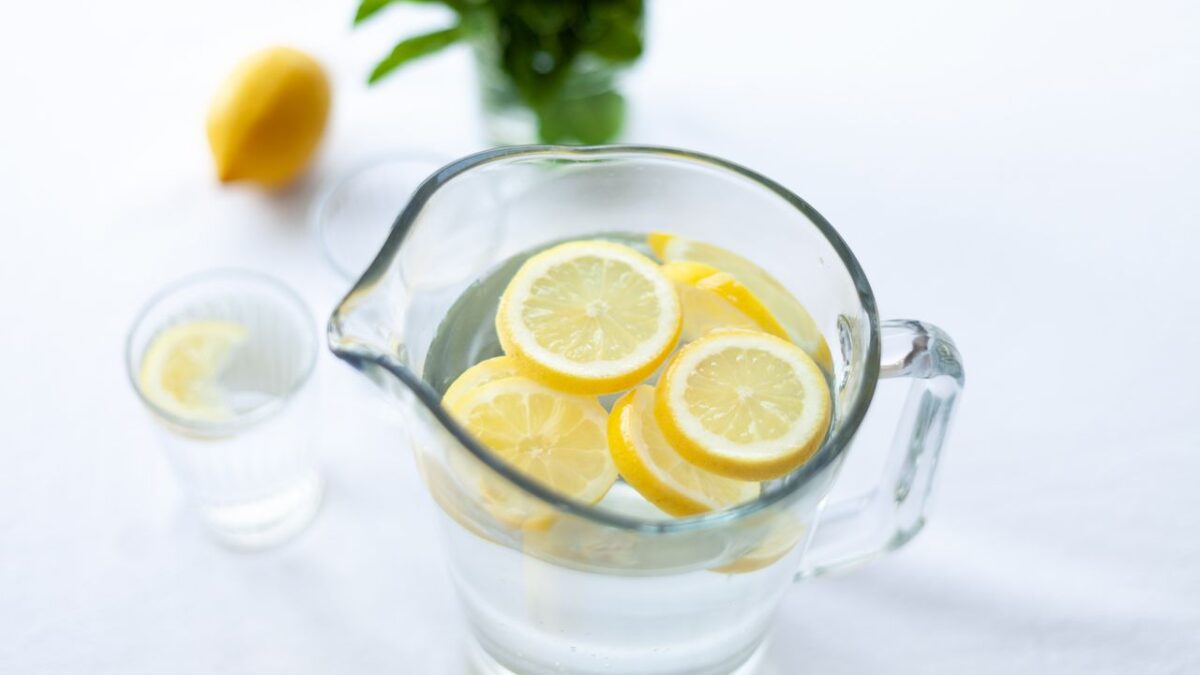 Photo: Julia Zolotova / Pexels
Everyone has heard that we should drink more water, and most of us nod along and then forget about it by mid-morning. Busy schedules, coffee runs, and plain old distraction get in the way. Hydration isn’t hard, but it does need a little planning.
The trick is to stop relying on willpower and build easy cues into your day. Here are some everyday habits that tend to stick.
Make Water Easy to Grab
We usually drink what’s within reach. Keep a bottle or glass at your desk, in the car, and next to the couch, so water is always the nearest option.
A bottle you actually like helps more than you’d think. Choose one that’s comfortable to hold, easy to clean, and sized so you don’t need constant refills. If it’s out of sight, it’s out of mind, so keep it where your eyes will land on it.
Link Drinking to Daily Moments
Attach a glass of water to something you already do every day. Have one when you wake up, with each meal, and when you get home from work. Because these moments happen anyway, you don’t have to remember a separate task.
You can also use small triggers during the workday. Take a few sips after you send a big email, hang up a call, or finish a task on your list. Over time those little cues become automatic.
Make It More Appealing
Plain water isn’t everyone’s favorite, and that’s okay. Try dropping in slices of citrus, cucumber, or a few berries, or add fresh mint for a cool, crisp taste. Sparkling water can feel like a treat, and a warm mug of herbal tea counts as a cozy option on chilly days.
Temperature matters as well. Some people love ice-cold water, while others find room temperature easier to sip steadily. Experiment until you find what you’ll reach for without thinking.
Eat Your Water, Too
Plenty of foods contribute to your fluid intake. Fruits and vegetables like watermelon, oranges, cucumbers, and lettuce have a lot of water in them, and soups and stews do too. Adding a few of these to your meals is a pleasant way to support your routine without any extra effort.
Listen to Your Body and Your Day
Needs vary from person to person and from day to day. Hot weather, a long walk, or a busy day on your feet may call for more fluids than a quiet day indoors.
Pay attention to cues like thirst and notice how you feel. Some people also glance at the color of their urine as a quick, informal check, though it’s only a rough guide and not a precise measure.
If you’re unsure how much fluid is right for you, or you have a personal concern, a doctor or other health professional can give you guidance that fits your situation. For everyday habits, though, you don’t need to be perfect.
Start with one change this week, like keeping a bottle on your desk or having a glass with breakfast. Once that feels normal, add another. Small, steady habits tend to outlast big promises, and your future self will thank you.