
Sunday Meal Prep for a Busy Week: A Simple Plan That Works
You don't need fifteen identical containers to eat well on a hectic week; here's a flexible, low-stress way to prep on Sunday.

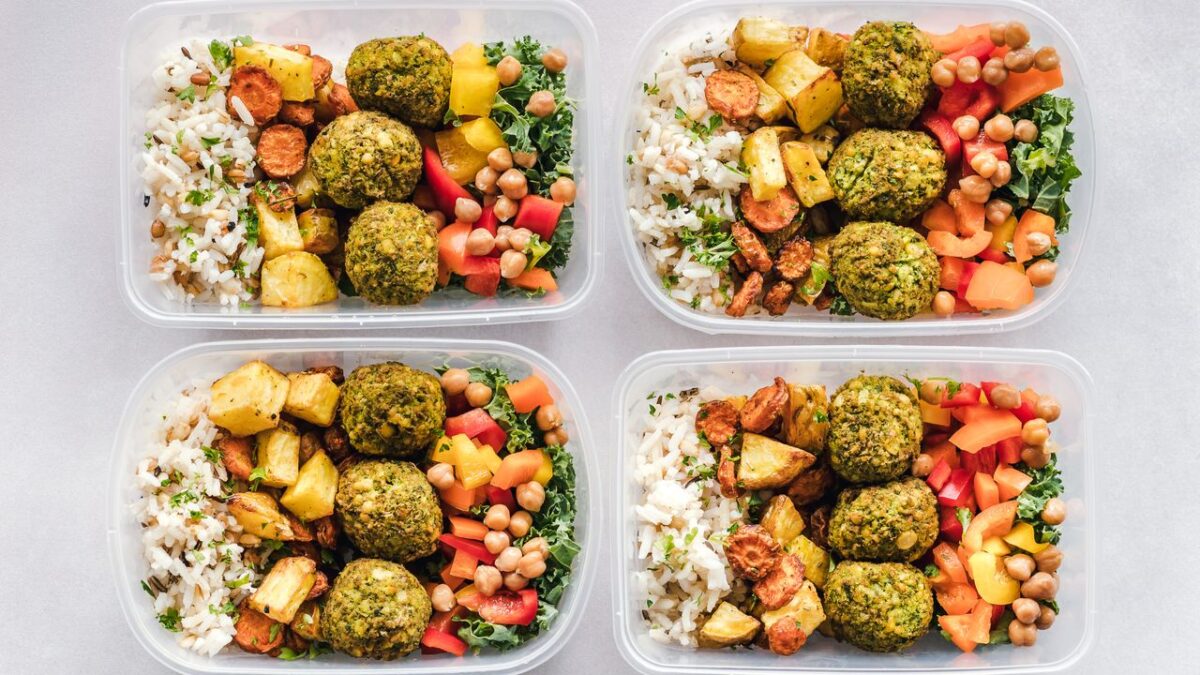 Photo: Ella Olsson / Pexels
Meal prep has a reputation for being an all-day marathon that ends with a stack of identical, sad lunches. It doesn’t have to be. A good Sunday session takes about two hours and gives you building blocks, not rigid meals.
The goal is simple: make Wednesday-night you grateful to Sunday-you. Here’s how to get there without burning out.
Start With a Plan, Not a Grocery Cart
Before you shop, look at your week. Which nights are packed with practice, meetings, or late work? Those are the nights your prep needs to cover completely.
Then pick just three or four components to make. A grain, a protein, a tray of roasted vegetables, and a sauce is plenty. Write a short list and shop for exactly that, so you aren’t wandering the aisles hungry and adding extras.
Cook in Parallel, Not in Order
The secret to a fast session is using every burner and the oven at once. Get the oven going first, since roasting takes the longest and needs the least attention.
While the vegetables roast, put a pot of rice or pasta on the stove and cook your protein in a skillet or on a sheet pan. Wash and chop raw produce for snacking and salads while everything else does its thing. Clean as you go, and the kitchen won’t be a disaster at the end.
Prep Components, Then Mix and Match
Resist the urge to portion out five identical meals. Instead, store each component separately and assemble on the day. Monday can be a grain bowl, Tuesday can be tacos, and Thursday can be a quick stir-fry with the same ingredients.
This is also the best defense against boredom. A different sauce or a handful of fresh herbs can make the same chicken taste like an entirely new dinner.
- Cooked grains such as rice, quinoa, or barley
- A protein such as shredded chicken, baked tofu, or hard-boiled eggs
- A big tray of roasted vegetables
- A jar of dressing or sauce
- Washed greens and chopped raw vegetables for quick salads
Store It Safely
Good storage keeps your food tasting better and keeps it safe. Let hot food cool a bit, then get it into the refrigerator within two hours of cooking. Shallow containers cool faster than deep ones, so spread big batches out.
Cooked food is generally best eaten within three to four days. If you won’t get to something by then, freeze it right away instead of waiting. Label containers with the date, because on Thursday you won’t remember when you made that chili. When in doubt, throw it out.
Keep It Realistic
You don’t have to prep every meal. Covering lunches and two or three dinners is a huge help, and leaving a night or two open gives you room for takeout, leftovers, or an unplanned dinner out.
Start small the first week. Prep one protein and one vegetable, see what you actually use, and adjust from there. Within a month you’ll have a rhythm that fits your household, and the weeknight scramble will start to feel a lot less scary.
A few good containers, a sharp knife, and a simple plan are all you need. The rest is just a couple of relaxed hours on a Sunday afternoon, maybe with a podcast or some music playing.