
7 Easy Ways to Lower Your Grocery Bill Without Clipping Coupons
You can trim your food spending with a few simple habits at home and in the store, no coupon binder required.

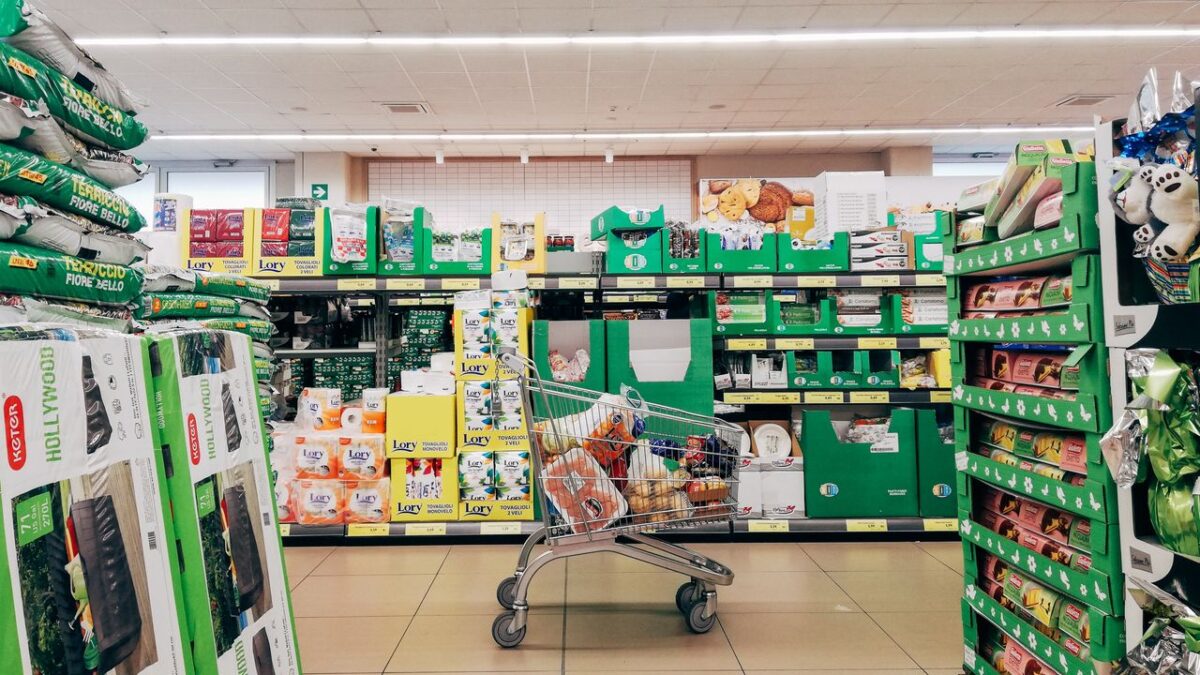 Photo: Christian Naccarato / Pexels
Groceries are one of the few parts of a budget that feel flexible, yet they often creep upward without us noticing. The good news is that you do not need a coupon binder or a complicated spreadsheet to spend less. A handful of small habits can make a real difference over time.
None of these ideas require giving up foods you enjoy. They are mostly about being a little more intentional before, during, and after your shopping trip.
Shop Your Kitchen First
Before you write a list, take two minutes to look through your fridge, freezer, and pantry. Most households have forgotten cans, half-used bags of rice, and frozen vegetables that could anchor a few meals.
Plan at least two dinners around what you already have. Every meal you build from existing food is a meal you do not need to buy.
Plan Loosely, Then Stick to a List
You do not need a rigid seven-day menu. Instead, sketch out three or four dinners, add a few breakfast and lunch staples, and write it all down. A list protects you from impulse buys, especially if you shop when you are tired or hungry.
Try eating a small snack before you go. It sounds silly, but shopping on an empty stomach tends to put extra items in the cart.
Make Smarter Choices Once You Are in the Store
A few quick habits can trim the total without much effort. Compare the unit price, usually printed in small type on the shelf tag, instead of the sticker price. A bigger package is not always the better deal, and sometimes a smaller one costs less per ounce.
Also look up and down. The most expensive items are often placed at eye level, while similar products sit on the top or bottom shelves for less.
- Choose store-brand versions of basics like flour, canned beans, and frozen vegetables.
- Buy whole produce instead of pre-cut, which usually costs more for the convenience.
- Pick fruits and vegetables that are in season, since they tend to be fresher and cheaper.
- Stock up on shelf-stable items only when they are clearly a good price and you will really use them.
Cut Down on Food Waste
Throwing away food is the same as throwing away money. Make a habit of using the oldest items first, and move things that will spoil soon to the front of the fridge where you can see them.
Leftovers deserve a plan, too. Turn extra roast chicken into sandwiches or soup, freeze bread before it goes stale, and slice overripe bananas for the freezer to use in smoothies or baking.
Cook a Bit More, Buy Convenience a Bit Less
Pre-made meals, single-serve snacks, and bottled drinks are handy, but you pay extra for that convenience. You do not have to give it all up. Even swapping a few items each week, such as making your own popcorn or brewing iced tea at home, adds up.
Batch cooking can help here. Cooking a big pot of chili or pasta sauce on a free evening gives you easy meals for busy nights, which means fewer last-minute takeout orders.
Track What You Actually Spend
It is hard to improve something you are not measuring. For a month, jot down your grocery total after each trip. You may discover that the real culprit is not the big weekly shop but the extra quick stops in between.
If that is the case, try limiting yourself to one main trip and one short top-up trip each week. Fewer visits usually means fewer impulse purchases.
Start Small and Build From There
You do not have to change everything at once. Pick two or three ideas that fit your routine, try them for a few weeks, and see how your totals look. Small, steady changes tend to stick better than dramatic overhauls, and they leave room for the foods that make eating at home enjoyable.